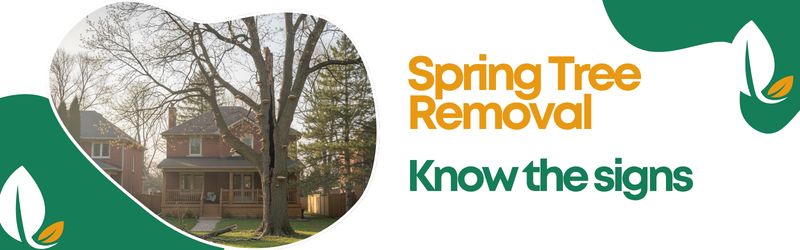
When is it time to remove a tree this spring? If you notice signs like weak or rotting roots, large cracks in the trunk, or branches that look dead or ready to fall, it’s time to act. Trees add beauty and shade to your yard, but a damaged or dying tree can quickly become a danger to your property and family. You don’t want to ignore issues like fungal growth, leaning trunks, or sudden patches of missing bark. These are all warning signs that your tree may not be safe to keep around. Spring is the perfect time to check your yard, especially since trees haven’t fully leafed out yet, giving you a clearer picture of their health.
You deserve peace of mind knowing your home is safe, and removing risky trees is a big part of that. Whether it’s a diseased tree threatening to fall or roots growing too close to your foundation, you need to take action before the situation worsens. That’s where Martin’s Tree Service in Kitchener comes in. Our team of professionals can inspect your yard and safely handle tree removal, saving you from potential hazards or costly repairs.
Don’t wait until it’s too late. In this article, you’ll learn how to spot dangerous signs early. From strange mushrooms growing near the base to branches that crack instead of bend, this guide will help you identify the problems before they escalate. You’ll also find out how our professional tree services at Martin’s can give you practical solutions to maintain a safe and beautiful yard this spring.
At what point should a tree be removed?
You should take down a plant when it becomes a direct safety hazard to people or structures. If over half of the branches are dead, the specimen usually cannot recover. You must also take action if the trunk is hollow or rotting from the inside out. When decay spreads too far, the wood loses all its strength.
Sometimes, a healthy-looking canopy hides deep structural flaws below the ground. You might notice the dirt lifting on one side, which means the roots are actively failing. When roots can no longer anchor the heavy wood above, a strong spring wind can easily push the whole thing over.
You should also heavily consider the physical location in your neighbourhood. If heavy branches hang right over your power lines or scrape against your favourite roof shingles, they present a constant danger. Our professional assessment will tell you if simple pruning is enough or if the whole plant needs to go.
Structural and Root Damage
The roots act as the vital anchor for any large yard plant. If the root system fails, the heavy wood above becomes incredibly unstable and dangerous. You must watch the ground around the base carefully for any shifting dirt.
You might step on the soil and notice it feels unusually soft or spongy. You could also see fresh cracks forming in the dirt right near the base. These are major clues that the roots are losing their grip on the earth. You should never ignore signs of root failure on your property.
- Sudden Leaning: A plant that suddenly tilts to one side is highly unstable and at risk of falling over. This can happen when the roots lose their hold in the ground due to soft soil or damage. A sudden lean should be taken seriously, especially with larger plants or trees, as they can cause damage or injury if they fall. Inspect the ground around the base carefully to confirm whether the tilt is worsening over time.
- Heaving Soil: Lifted dirt on the side opposite the lean is a sign that the roots are actively pulling up from the soil. This often happens during strong winds or heavy rain when the ground is soft. The raised soil indicates that the tree or plant is struggling to stay anchored. Addressing the issue early may prevent the plant or tree from tipping over completely.
- Damaged Roots: Roots can be severely damaged by lawn mowers, construction equipment, or landscaping work done too close to the base. When roots are cut or injured, the plant struggles to absorb nutrients and water, resulting in a slow decline. You might notice browning leaves or a weakened structure as signs of root damage. Taking action to protect the roots can help save the plant and keep it healthy.
Fungal Growth and Internal Decay
Mushrooms growing at the base of your trunk are never a good sign. Fungi actively feed on dead and rotting wood. When you see large mushrooms or conks attached to the bark, the inside is likely decaying rapidly. This type of fungus means the core of the wood is already dead.
Internal decay often remains hidden from the outside. You might see a perfectly green canopy, but the inside of the trunk could be completely hollow. A hollow core means the wood has lost its main structural strength. You cannot see this weakness without taking a very close look.
You cannot reverse this kind of rot once it takes hold. The decay will slowly spread up the trunk and into the main branches. Eventually, the entire structure will become so weak that it collapses under its own weight. Our professional crews have the right tools to safely handle this rotting wood.
Lack of Spring Foliage
Spring is the season of new life and vibrant green leaves. When surrounding plants bloom but one stays bare, you have a serious problem on your hands. A lack of buds strongly suggests the branches are already completely dead.
You should look closely at the upper canopy as the weather finally warms up. If you notice large sections of bare wood, the specimen is struggling to survive. Dead wood becomes very brittle and will snap off easily during a heavy rain storm. You must take these dead limbs very seriously.
- No New Buds: A total lack of leaf buds is one of the clearest signs that a tree or plant is no longer alive. Buds are the starting point for leaves, flowers, and fruits, so their absence means the branches are dried out and lifeless. Without buds, the tree has no way to grow or recover, making survival impossible. If you notice no new buds forming in spring, it’s a strong indicator the plant has reached the end of its lifecycle.
- Brittle Wood: Healthy branches are flexible and bend slightly under pressure, but dead wood is dry and brittle. If a branch snaps easily when you touch or move it, this is a warning sign that it’s dried out and no longer alive. Brittle wood is also a major safety risk because it can break with very little effort, especially during harsh weather. Removing brittle, dried-out branches is essential to keeping people and property safe.
- Widowmakers: Widowmakers are large, dead limbs that dangle high up in the canopy, posing a serious hazard. These limbs can fall at any moment, often without any warning, and cause significant injury or damage. Because they’re heavier and less stable than they look, widowmakers are dangerous to deal with on your own. If you spot a widowmaker in your trees, it’s best to call our professionals to safely remove it.
Trunk Cracks and Peeling Bark
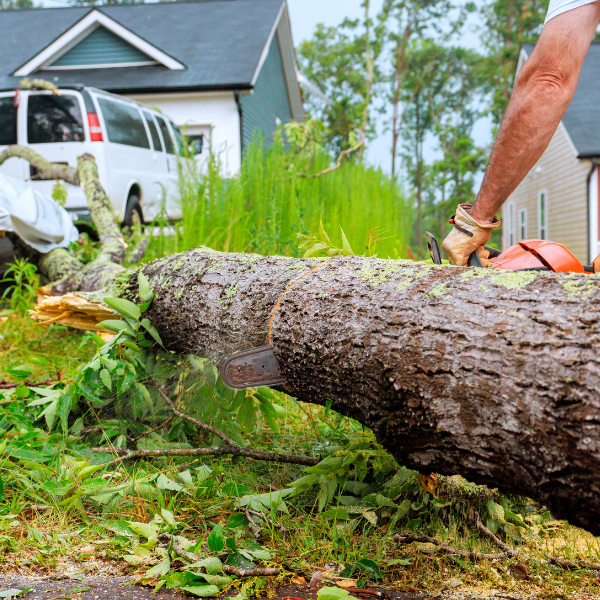
The bark acts like a protective skin against pests and harsh weather. When large patches of bark start peeling off, the bare wood underneath is exposed to danger. Healthy plants will replace shed bark, but sick ones will leave smooth, dead spots behind. You should inspect the trunk closely for these bald patches.
You should also look for deep vertical cracks running down the main trunk. These massive splits often happen during extreme winter freezes. When the moisture inside the wood freezes and expands, it literally tears the trunk apart. The changing temperatures put massive stress on the wood.
Deep cracks severely weaken the overall stability of the plant. If the split goes deep enough, the entire structure might break in half. You should never ignore a split trunk, especially if it sits close to your home. Taking action early prevents the split from getting worse.
Proximity to Structures and Hazards
Sometimes a plant simply grows far too large for its designated space in your yard. When massive branches stretch over your roof, they become a massive liability. You have to consider what will happen if those heavy limbs break off.
Heavy winds can easily snap large limbs and send them crashing down onto your house. Branches can also rub against your siding and tear off your shingles over time. In urban areas, thick roots can even crack your driveway or home foundation. You want to spot these space issues early.
- Overhead Power Lines: Branches that grow too close to electrical wires can create serious hazards. When branches touch power lines, they can cause unexpected power outages for your home or neighbourhood. Worse yet, these interactions could spark dangerous fires, especially during dry weather. Regular trimming of nearby trees is key to keeping your property safe from these risks.
- Roof Damage: Overhanging branches that scrape against your roof can cause long-term problems. Over time, the repeated scratching can wear down your shingles, making your roof vulnerable to water leaks. These leaks can lead to mould growth and expensive repairs. Keeping branches trimmed away from the roof will help prevent damage and save money on future fixes.
- Foundation Issues: Tree roots can grow surprisingly far and will aggressively seek out water sources. This search can lead them to crack your driveway, water pipes, or even your home’s foundation. If roots start pushing into your basement walls, it can weaken the structure and create openings for water or pests. Planting trees further from your home can avoid these costly and frustrating problems.
Local Weather Challenges in Kitchener
Living in the Waterloo Region means dealing with harsh Canadian winters. Heavy snow and thick ice storms put massive weight on fragile branches. After a rough winter, many plants suffer from hidden fractures that only become visible in the spring. You must check your yard carefully after the snow finally melts.
The freeze-thaw cycles in our area also cause soil to heave and shift. This constant movement can break underground roots and destabilize large trunks. You need to inspect your yard thoroughly to spot this ground damage early. Frozen soil can do a lot of hidden harm.
High winds during spring thunderstorms will test the strength of every plant on your property. If a specimen is already weakened by winter damage, a spring gust might push it completely over. We highly recommend checking your yard before the severe storm season begins. Taking this step keeps your family safe.
Say Goodbye to Dangerous Trees This Spring with Martin’s Tree Service
Spring is a season of renewal, but it can also reveal trees that didn’t survive the harsh winter. A storm-damaged or dead tree in your yard is not just unsightly; it’s also a safety hazard. Falling limbs or weak trunks can cause property damage or harm a loved one. That’s where Martin’s Tree Service comes in to help.
Our expert team knows how to safely remove trees that pose a risk to your home and yard. We use specialized equipment and techniques to take down dangerous trees without causing further damage to your property. Whether it’s a towering oak near your roof or a smaller tree leaning toward a fence, we handle it all with care and precision.
Don’t wait for the next big storm to strike—address tree problems now before they get worse. With Martin’s Tree Service on your side, you can enjoy a safe, beautiful yard this spring. Plus, we clean up everything afterward, so all you have to do is sit back and enjoy your outdoor space. Call us today for a free consultation!
Frequently Asked Questions
Can a leaning plant be saved?
A leaning plant can sometimes be saved, but it depends on the cause. If the lean happens slowly, it may be fixed with support and proper care. However, a sudden lean with cracked soil is a serious warning sign. In that case, the roots have likely failed, and the plant should be removed by our professionals right away.
What does a hollow trunk mean?
A hollow trunk means the inside wood has started to rot. Some plants can survive with small hollow areas and still stay strong. However, a large hollow section weakens the structure over time. This makes it more likely to snap or fall, especially during storms or high winds.
Does homeowners insurance cover this work?
Homeowners insurance usually does not cover preventative removal. Coverage often applies only if the plant has already fallen and caused damage to a covered structure. For example, damage to a roof or garage may be included in a claim. Regular maintenance and removal costs are typically paid out of pocket.
Can I cut down the branches myself?
Cutting down branches can be very dangerous without the right tools and training. Falling limbs can cause serious injury or damage nearby property. Our professionals use proper safety gear and equipment to control the process. Hiring experts helps ensure the job is done safely and correctly.
Do I need a permit in the Waterloo Region?
Many cities in the Waterloo Region require a permit before removing larger plants or trees. The rules often depend on the size and location of the plant. Local bylaws are in place to protect the environment and community spaces. Our professional service can help review these rules and handle the permit process properly.
Stop Ignoring the Signs? Is It Time for Tree Removal?
Spotting the signs of decay early can save you from a massive disaster. Dead or damaged trees and stumps can pose serious risks to your property and safety, especially during severe weather. It’s important to act before a heavy storm causes a dangerous situation. By taking care of these issues ahead of time, you can protect your home, your family, and your peace of mind.
If you notice anything unusual, like a leaning trunk, dead branches, or rotting wood, don’t wait to call for help. At Martin’s Tree Service in Kitchener, we specialize in keeping yards safe and beautiful. Our team knows how to handle dangerous trees and stumps with care and expertise, using the safest equipment and methods to quickly resolve the problem.
Don’t lose sleep worrying about old or hazardous trees. Trust our skilled team to inspect your yard and provide the best solution possible. Whether it’s removing a dead tree, grinding a stump, or simply giving you peace of mind, we are here to help. Request an estimate today, and prepare your yard for a safe and lovely spring season. Together, we can ensure your outdoor space stays secure and beautiful year-round!
Steve Martin