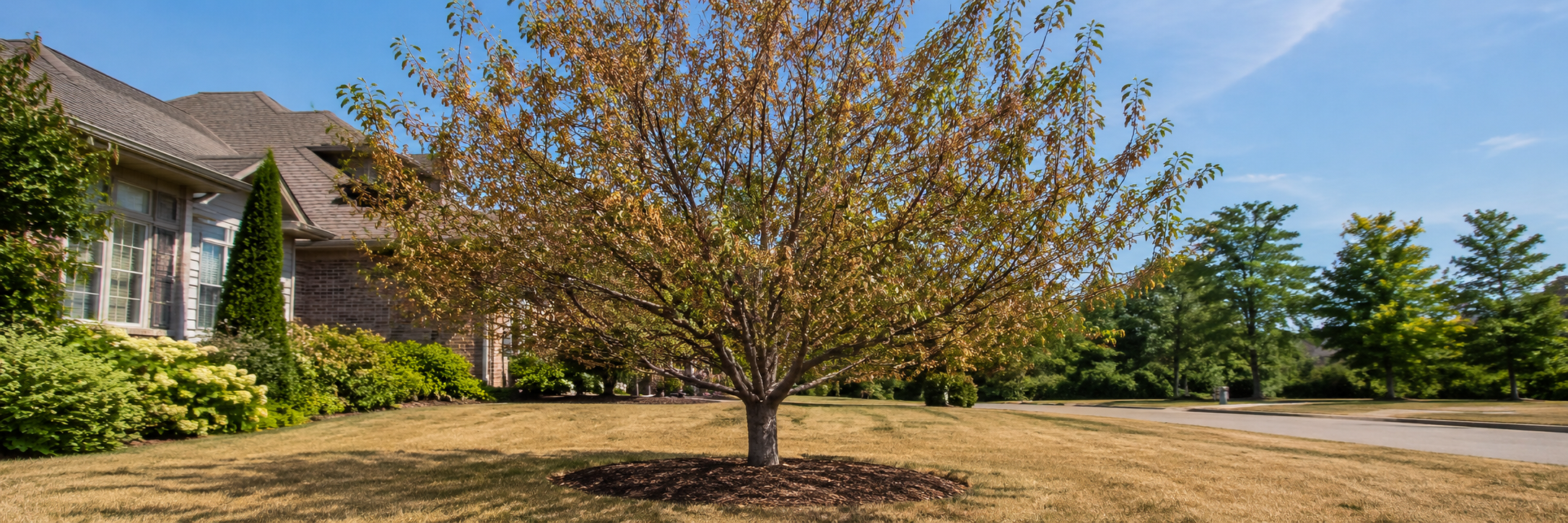
High temperatures and a lack of rain harm your large plants by pulling moisture out of their leaves faster than their roots can absorb it from the ground. This severe dehydration causes leaf scorch, yellowing, and thinning canopies. It also creates dangerous air bubbles inside the wood that block water flow. If the hot weather continues, the entire plant can become weak, making it an easy target for bugs and diseases. Homeowners must understand these risks to prevent permanent yard damage.
You might notice leaves turning brown on the edges or falling off entirely during a heatwave. You may also see sap leaking from the bark. These are clear signs of extreme stress. When the soil dries out completely, your leafy giants cannot cool themselves down through natural evaporation.
At Martin’s Tree Service in Kitchener-Waterloo, we help protect your trees from the summer heat and bring them back to good health with expert care. This guide is designed for homeowners who want to protect their properties from summer weather damage. You will learn exactly how dry conditions damage your property. You will also discover the professional solutions available to save your dying plants. In this blog, we will explain the specific signs of heat stress, how to identify bark damage, and what steps our experts take to restore health.
How do trees survive drought?
Plants survive drought by closing the tiny pores on their leaves to stop moisture from escaping into the air. This natural defence mechanism helps them hold onto whatever water they have left inside their trunks and branches. However, closing these pores also stops photosynthesis. This means they can no longer make food to grow.
You will often see growth completely stop during a dry spell. They are simply trying to conserve energy. Deep root systems also go to work. The roots stretch further down into the soil to find hidden moisture.
If the dry spell lasts too long, these natural defences fail. That is when professional help becomes necessary. Our experts can assess the situation and provide the right treatments to help them recover.
Spotting Initial Stress Signs
When plants don’t get enough water, they show clear signs of stress. These signs help identify the problem early so action can be taken to save the plants. Understanding these changes is key to keeping plants healthy during difficult times.
- Wilting Leaves: Leaves may begin to droop and lose their firm, upright shape. This occurs because the water pressure inside the plant’s cells, called turgor pressure, drops significantly. Wilting is often the first and most obvious sign that a plant is not getting enough water.
- Yellowing Foliage: Leaves can turn yellow, starting near the base of the plant and slowly spreading outward. This colour change happens when the plant slows down or stops producing food through photosynthesis. It serves as a clear signal that the plant is struggling and in distress.
- Scorched Edges: Dry, brown edges may appear on the leaves, making them look crispy and damaged. This happens when intense heat and lack of moisture cause parts of the foliage to burn. Unfortunately, once leaves are scorched, the damage is permanent, and they cannot recover.
You must call our professionals when you see these symptoms. We can evaluate the yard and apply the correct treatments immediately.
Dealing with Canopy and Growth Issues
A healthy canopy provides deep shade and beautiful green colours for your yard. High heat destroys this dense growth. The plant stops producing new shoots to save energy.
You will notice the top section looking very sparse and thin. The branches might look bare, even in the middle of summer. This lack of growth is a survival tactic, but it leaves the plant very vulnerable to high winds and storms.
Without new growth, the plant cannot heal from other injuries. The lack of thick foliage also allows more sunlight to hit the trunk. This can lead to severe sunburn on the bark. Our team can inspect the canopy to determine if the damage is temporary or permanent.
Understanding Bark and Structural Damage
Bark serves as the tree’s protective shield, safeguarding the vital wood tissue underneath. However, prolonged and intense sun exposure can severely damage this protective outer layer, compromising the tree’s health. Without proper care, heat stress can lead to long-term structural and biological issues for the plant. Understanding and addressing these problems early is essential to ensure the tree’s survival.
- Sunscald Lesions: High temperatures can scorch the bark, causing sunscald lesions to form. These lesions appear as deep cracks or wounds, exposing the interior wood. Once open, these areas become entry points for pests, fungi, and harmful diseases, further weakening the tree’s structure.
- Leaking Sap: Sticky sap oozing from the trunk is a clear sign of stress caused by heat damage. The tree produces sap as a natural response, attempting to seal and heal its wounds. Although this reaction is protective, it indicates significant internal distress and should not be ignored.
- Brittle Branches: Heat and dehydration can cause the wood to lose its flexibility, making branches dry and brittle. This increases the likelihood of them snapping under pressure, potentially falling and causing property damage or safety hazards. Regular inspections and maintenance are crucial to prevent these risks.
You should never ignore these structural issues. We can safely remove dangerous branches before they cause expensive property damage.
The Danger of Long-Term Weakening
When a plant closes its leaf pores to save water, it accidentally causes a bigger problem. The lack of water flow creates tiny air bubbles inside the internal plumbing system. These bubbles act like roadblocks.
Water can no longer travel from the roots up to the top branches. Even when it finally rains, the blocked plumbing prevents recovery. The plant slowly starves to death from the inside out.
This weakened state acts like a magnet for destructive insects. Bugs easily chew through the soft, dying wood. Fungal diseases also take hold in the damp, decaying sections. Only an expert can determine if the specimen can be saved or if it must be removed.
Professional Solutions: Risk Assessment and Care
Extreme drought causes severe stress to plants, leading to issues that require timely expert care. Damage to trees and shrubs from drought conditions is often hidden, making it crucial to assess and address the problem thoroughly. Proper care involves identifying risks, providing hydration strategies, and protecting the soil to promote recovery and long-term health.
- Detailed Risk Assessment: We inspect every inch of the affected wood for hidden dangers. Dead branches, pest infestations, and structural weaknesses are carefully identified during our evaluation. Once we understand the full extent of the damage, we create a customized recovery plan tailored to your property’s needs.
- Expert Watering Advice: Providing deep hydration is essential for drought recovery. Shallow watering does not reach the areas where roots need moisture the most. Our expert advice ensures water penetrates deep into the soil, effectively reaching those vital roots.
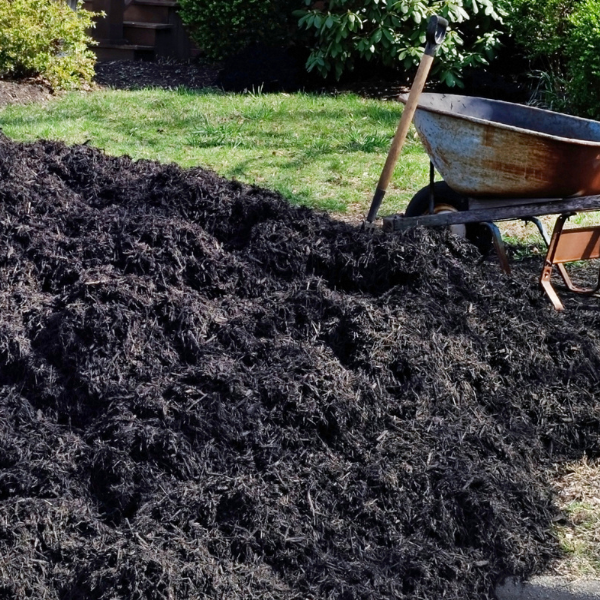
- Strategic Mulch Application: A thick layer of organic mulch is applied at the base of plants to support recovery. Mulch helps retain soil moisture, regulate temperature, and protect roots from further stress. Our team selects the right type of mulch and applies it evenly for the best results.
You can trust our team to apply these treatments safely. If the damage is too severe, we handle the complete removal process securely.
How Heat and Drought Affect Trees in the Waterloo Region
The hot summers in the Waterloo Region can be very tough on trees. High temperatures dry out the soil and make it hard for trees to get the water they need to stay healthy. Without enough water, leaves can wilt, turn brown, and fall off earlier than normal. Trees also lose strength and may become more prone to disease and pests.
Drought is another big problem for trees. When there isn’t enough rain, the ground dries up, and roots struggle to find moisture. Young trees are especially at risk because their roots are not deep enough to reach water far underground. Even older, stronger trees can suffer if dry conditions last a long time. They may stop growing or even die in extreme drought.
Urban areas in the Waterloo Region face extra challenges. Heat bounces off buildings, asphalt, and concrete, creating what’s called the heat island effect. This makes some areas much hotter than others, which puts even more stress on trees. Together, heat and drought can take a big toll on the beautiful tree canopy in our region, making it more important than ever to protect and care for our trees.
Frequently Asked Questions
Can I prune my plants during a heatwave?
No, it is best to avoid pruning during a heatwave. Cutting live branches creates open wounds that the plant must work hard to heal. During extreme heat, the plant is already stressed and trying to hold onto moisture. Pruning at this time can weaken the plant even more and slow down recovery. It is safer to wait until the weather cools before trimming any healthy growth.
Does watering the leaves help them cool down?
Watering the leaves does not help very much during hot weather. Most of the water quickly evaporates before the plant can benefit from it. Wet leaves can also lead to fungal diseases, especially in humid conditions. The best way to help plants is by watering the soil deeply around the roots. Deep watering gives the roots the moisture they need to stay healthy.
Why is mulch so important during a drought?
Mulch helps the soil hold onto moisture during hot and dry weather. It acts like a blanket that protects the ground from direct sunlight. This keeps the soil cooler and slows down water evaporation. Mulch also helps stop weeds from growing and stealing water from your plants. Organic wood chips are one of the best options for keeping roots protected during a drought.
How quickly can a plant die from heat stress?
The speed depends on the type of plant and how healthy it is before the heat starts. Young plants and small saplings can suffer serious damage in just a few weeks without enough water. Older plants may survive longer, but they can still become weak and unhealthy over time. Heat stress can also cause long-term damage that affects growth the following season. Acting quickly with proper watering and care gives plants the best chance to recover.
Let Martin’s Tree Service Prevent a Tree Disaster
Extreme weather can take a serious toll on your trees and yard. When temperatures rise and the soil dries out, your trees can suffer from yellowing leaves, cracked bark, and weak, brittle branches. These are all signs of stress that shouldn’t be ignored. Ignoring these problems could lead to safety risks and long-term damage to your property.
That’s where Martin’s Tree Service comes in. Our team of professionals is ready to help you protect your yard and keep it safe. We offer expert services like risk assessments to spot potential hazards early, mulch application to retain soil moisture, and branch removal to prevent dangerous breakage. For trees that cannot be saved, we ensure complete and careful removal, preserving the safety of your home and property.
Don’t wait for the next rainstorm to fix the damage, take action now. With years of experience serving the Kitchener-Waterloo community, we know how to care for your trees and restore beauty to your yard. Contact Martin’s Tree Service today for a free estimate. Trust us to handle the heavy lifting for a healthier, safer property you can enjoy for years to come.
Steve Martin