
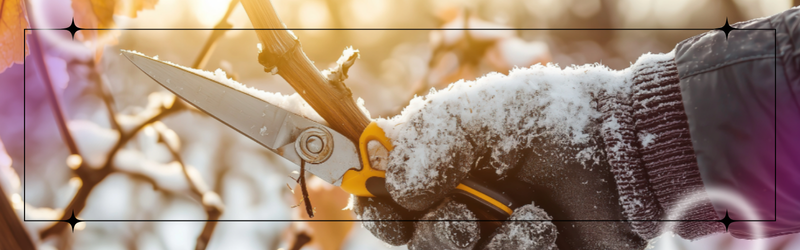
Winter in Cambridge brings heavy snow that can weigh down the branches of your spruce and pine trees, causing them to bend, crack, and snap. To prevent this snow-load breakage and protect your yard, conifer pruning is essential. The best time to prepare your trees is before the first major snowfall, by shaping the canopy and removing weak spots. This ensures each branch is strong enough to bear winter’s weight, helping your spruce and pine stand tall all season long.
Weak limbs, crowded branches, and heavy lower sections are the most common areas to break under snow. While maple pruning often gets more attention, proactive conifer pruning is just as crucial for preventing damage. This blog will guide you through the primary causes of snow-load breakage and highlight the key areas to prune. We’ll also explain how professionals at Martin’s Tree Service prepare spruce and pine trees for winter, giving you a clear understanding of what your yard needs to stay safe.
Why Snow-Load Breakage Happens in Spruce and Pine
Spruce and pine look tough, but their branches collect snow faster than broadleaf species. Their needles catch snowflakes one by one until the weight becomes too much. Wet snow is even heavier, and one storm can drop enough to bend branches all the way to the ground. When this pressure lasts for hours or days, the risk of breakage grows fast.
You see the most damage in:
- Crowded canopies, where branches overlap and trap heavy snow
- Weak or narrow branch unions, which split under pressure
- Lower limbs, which bend the fastest
- Dead or damaged sections, which snap with very little weight
Snow damage trees throughout Cambridge every winter, especially spruce and pine that haven’t been shaped or thinned in years. That’s where conifer pruning in Cambridge makes the biggest difference.
The Role of Conifer Pruning in Cambridge Winters
Good winter prep removes stress points before snow arrives. When professionals trim spruce and pine, they create stronger spacing, better balance, and a safer overall structure. You don’t have to guess which branches can handle snow. Proper pruning makes the entire canopy more stable.
Here’s how pruning protects your spruce and pine:
- It reduces heavy clusters that trap large piles of snow
- It removes damaged limbs ready to break under pressure
- It improves airflow and light, which supports better winter health
- It encourages upward, strong growth so branches carry weight better
You get a safer yard, fewer emergency breakages, and healthier spruce and pine all year long.
What to Cut for Snow-Load Prevention
You want your spruce and pine to stay strong through winter storms, but some parts can’t hold heavy snow the way others can. Certain limbs bend, crack, or break long before the rest, and those weak spots put the whole plant at risk. That’s why knowing what to remove before winter hits is the key to preventing snow-load breakage.
Dead, Diseased, and Dying Limbs
Dead or weak sections break with very little pressure. Snow piles onto brittle wood, and the weight snaps it quickly. Removing these areas makes the entire structure stronger and helps prevent sudden drops.
Our professionals spot signs like discolouration, cracking, hollow branches, or fungal growth — issues homeowners often miss. Because deadwood spreads stress to surrounding limbs, clearing it is one of the most important steps for preventing snow damage trees across Cambridge.
Crossing and Rubbing Sections
When branches rub, bark wears away and exposes soft inner wood. Snow collects in these damaged spots, making the branch more likely to buckle. Removing one of the crossing limbs prevents wounds and helps spruce and pine stand stronger in storms.
Crowded Middle Sections
A thick, tangled interior traps snow like a basket. Too many branches in one area prevent snow from falling through the canopy naturally. Thinning the inside reduces weight and helps snow shed instead of pile up.
This also improves airflow and sunlight, which support healthier growth year-round.
Branches with Weak Angles
Narrow or V-shaped connections split easily when snow presses down. Spruce and pine with wide, strong angles hold weight better. Our professionals remove weak angles to build a safer structure for future winters.
Why Winter Is the Best Time for This Work
Cold weather gives professionals the clearest view of what needs attention. Needles are still present, but overall structure is easier to see. Snow damage trees more in winter than any other season, so pruning now creates immediate protection.
Winter pruning also prevents:
- Sap flow stress, which can happen in warmer months
- Bleeding, which is common in spring
- Heat-related shock in summer
You get safer limbs, a stronger canopy, and better long-term stability.
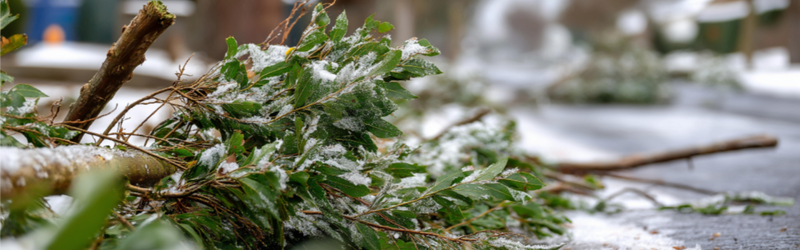
How Pruning Helps Spruce and Pine Survive Cambridge Winters
Pruning plays a big role in helping spruce and pine survive Cambridge winters. You’re not only protecting them from storms—you’re also boosting long-term health, shaping stronger growth, and supporting better structure that lasts all year.
When branches have the right amount of space, air and sunlight move through the canopy more easily. This helps reduce moisture, rot, and fungus that weaken limbs and make them more likely to snap under snow. Healthier airflow keeps the whole plant stronger from the inside out.
A balanced shape also means weight gets spread more evenly. Limbs don’t twist or bend as much in harsh weather, and the entire structure stays steadier during heavy snow or strong winds. Winter cuts heal as temperatures rise, giving you fuller and more even growth in spring.
With fewer weak spots, you lower the chance of damage not only in winter but in spring windstorms and summer thunderstorms, too. Smart pruning now protects your yard through every season.
Winter Conditions Reveal Hidden Problems
You notice more than broken limbs in winter. Professionals use the season to spot issues that often hide behind summer leaves.
Here are common situations that need attention, expanded with detail:
- Low Limbs Blocking Walkways or Driveways: Low limbs may seem harmless in fall, but winter turns them into hazards. When snow builds up, these limbs get weighed down even more, blocking paths and risking injury. Ice also forms on them, making them heavier and more likely to snap without warning.
- Crowded Inner Sections: Thick inner growth traps moisture, especially when snow melts and refreezes. Without airflow, needles can rot and weaken. Over time, this makes the entire structure less stable. Thinning these areas helps spruce and pine breathe and stay strong.
- Heavy Limbs Hanging Over Roofs or Sheds: Branches above buildings collect snow faster because wind pushes snow directly onto them. Ice builds up and adds even more weight. When one of these limbs breaks, it can damage shingles, gutters, sheds, or fences. Winter thinning lowers that risk.
Shaping and Thinning for Better Structure
Shaping focuses on long-term strength and stability. You want limbs spaced well, angled safely, and able to carry weight evenly. Winter gives professionals a clear view of how branches hang, where stress builds, and which areas will break first under snow.
- Improving Airflow: Good spacing lets snow fall through instead of sitting in heavy piles. It also reduces moisture, which helps prevent rot.
- Strengthening Structure: Weak forks, narrow angles, and thin limbs give way first in storms. Removing them early reduces breakage during heavy snow or winter wind.
- Encouraging Strong Scaffolding: These main supporting limbs carry the weight of the entire canopy. Shaping them in winter helps create a solid, balanced frame for future growth.
Help Through Every Cambridge Winter: Keep Your Spruce & Pine Safe This Winter
Spruce and pine need winter support every year. Conifer pruning removes the biggest risks and builds strength for storms still to come. Professionals handle the shaping, thinning, and structural care so your yard stays safe and healthy without you worrying about heavy snow or bending branches.
Winter puts a lot of pressure on your yard. Conifer pruning in Cambridge helps prevent snow damage trees and protects your spruce and pine before the storms hit. You keep your property safer, your yard healthier, and your plants strong enough to handle winter weight.
If you want support protecting your spruce and pine this season, request an estimate to learn more from our team at Martin’s Tree Service in Cambridge. We’re here to help keep your winter landscape safe and strong.
Steve Martin