
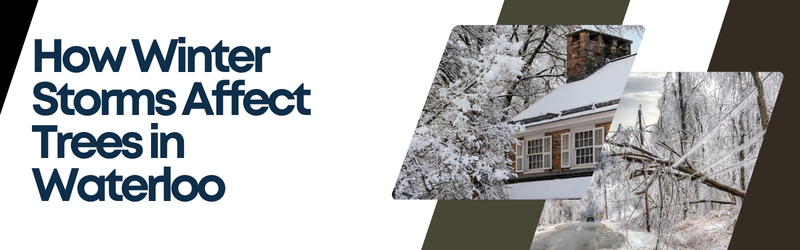
You may look outside after a winter storm and feel uneasy about what you see. Large branches may be cracked, hanging, or resting where they should not be. In Waterloo, storms often leave behind damage that is not always obvious right away. Snow, ice, and wind can weaken even strong trees, creating risks that grow over time.
You may not realize that winter is often the safest time to deal with a tree damage by a storm. Cold weather creates stable ground, better visibility, and less stress on surrounding areas. This is why tree removal in Waterloo is often handled during winter months, especially when safety is a concern. At Martin’s Tree Service, we help homeowners decide when winter removal is the right choice after storm damage.
In this blog, you will learn how storms affect trees, why winter conditions can make removal safer, and when professional removal becomes necessary to protect your home and property.
How Winter Storms Affect Trees in Waterloo
Winter storms bring more than just snow. Ice buildup, freezing rain, and strong winds put extra pressure on tree limbs. While larger trees are known for strength, their size and weight can make storm damage more serious during harsh winter weather.
Storm-related stress usually shows up in a few key ways, even if nothing breaks right away:
- Heavy Ice and Wind Strain Large Limbs: Ice buildup adds a lot of weight to branches. Strong winds then push against that added weight, increasing stress at connection points. Over time, this strain weakens limbs even if they stay attached.
- Internal Damage May Not Be Visible Right Away: Cracks can form deep inside the structure where you cannot see them from the ground. Limbs may bend slightly during storms, weakening their attachment without breaking. Each storm adds more pressure to already stressed areas.
- Changing Temperatures Increase Failure Risk:A tree damaged by a storm may look stable while everything stays frozen. When temperatures rise and ice begins to melt, weight shifts quickly. This sudden change makes failure more likely without warning.
Because winter damage often develops quietly, early assessment is important. What seems secure after a storm can become dangerous as conditions change.
Why Winter Conditions Can Be Safer for Removal
Winter offers unique advantages when removal is necessary. Frozen ground provides solid footing for equipment, which helps limit damage to lawns and nearby areas. This is especially helpful in residential neighbourhoods where space is limited.
Visibility is also much better. Without leaves, professionals can clearly see cracks, splits, and weak attachment points. This allows for safer planning and controlled removal.
Winter removal also reduces risk to surrounding plants and soil. Frozen conditions help keep disturbance to a minimum compared to soft, muddy ground in spring.
When Removal Becomes the Safer Option
Not all storm damage means a tree needs to be removed right away. Some can recover with the right care and monitoring. However, winter removal is often the safest choice when damage creates a clear risk to people or property.
Our professionals look for specific warning signs that show when removal is the safer option:
- Large Limbs Hanging or Partially Broken: Heavy branches that are cracked or hanging can fall without warning. Ice, wind, or warming temperatures can cause them to drop suddenly. These limbs are dangerous, especially near areas people use daily.
- Deep Cracks in the Trunk: Cracks often mean the structure has been weakened from the inside. Cold weather can make these cracks spread as the wood expands and contracts. Once this happens, the risk of failure increases quickly.
- A Strong Lean that Appeared After a Storm: A new lean usually means the root system or base was damaged. Frozen ground can hide this problem until conditions change. As soil thaws, the tree may shift or fall unexpectedly.
- Damage Close to Homes, Driveways, or Walkways: Even moderate damage becomes serious when it is near buildings or foot traffic. Falling branches or sections can cause injury or property damage. Location plays a major role in deciding whether removal is needed.
When these issues are present, tree removal in Waterloo during winter can reduce risk and prevent sudden failure later in the season.
Dormancy Reduces Stress and Disease Risk
Oaks are dormant in winter. This means their growth activity is paused. Removing damaged oaks during dormancy places less stress on the surrounding environment.
Winter timing also helps reduce the spread of diseases. Certain diseases are more active during warmer months, which makes winter a safer window for removal when needed. This timing protects nearby healthy trees and supports long-term neighbourhood canopy health.
Frozen Ground Protects Your Property
Frozen ground offers stability that warmer seasons cannot. Equipment is less likely to sink or cause ruts. This helps protect lawns, gardens, and hardscapes.
In neighbourhoods with small yards or shared spaces, this matters. Winter removal allows work to be done with less impact on surrounding property. Homeowners often prefer winter work because cleanup is easier and damage to the yard is reduced.
Safety Risks Increase After Storm Damage
Storm damage does not always stay the same. Cracked limbs can shift. Ice may hide fractures. Wind can cause further movement.
Waiting too long increases risk. A storm damaged tree may fail without warning, especially during thaw or strong spring winds. Winter removal addresses hazards before these changes occur, helping prevent emergency situations.
Signs That Winter Removal Should Not Wait
Some storm damage creates risks that should not be delayed. These situations often worsen as winter continues and temperatures change. When these warning signs appear, winter is often the safest time to act.
Our professionals watch closely for the following conditions:
- Branches Caught in Other Limbs: Broken branches that are hanging or tangled can fall at any time. Wind, ice, or melting snow can knock them loose without warning. These limbs pose a serious risk to anyone nearby.
- Splits that Run Vertically: Long cracks in the trunk usually mean the structure has been weakened. Freeze and thaw cycles can make these splits grow wider. Over time, the tree may no longer support its own weight.
- Leaning that Worsens After Storms: A lean that increases after a storm often points to root damage. Frozen ground can hide the problem for weeks. When the soil softens, the tree may shift or fall suddenly.
- Damage Near Power Lines or Structures: Storm damage close to homes or utilities raises the level of danger. Falling limbs can damage roofs, wires, or nearby buildings. These situations require fast, professional attention.
In these cases, delaying removal can increase danger to people and property as winter conditions continue to change.
Why Professional Removal Is Essential
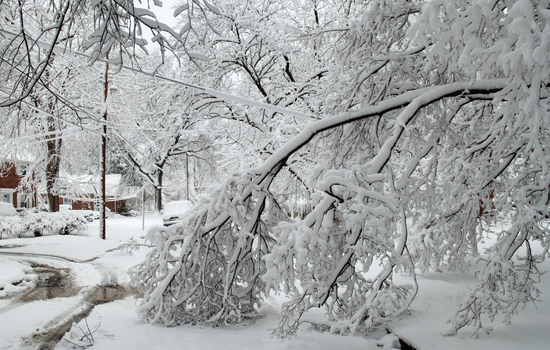
Trees damaged by storms are dangerous to handle. Weight distribution changes, and internal damage is not always visible. This makes removal complex and risky.
Our professionals use specialized equipment and planning to remove damaged branches and limbs safely. They control each cut to avoid sudden movement or collapse. This approach protects nearby homes, vehicles, and walkways while keeping everyone safe during the process.
How Winter Removal Helps Prevent Emergencies
Winter removal is proactive. It addresses known risks before weather changes create new ones. This reduces the chance of sudden failures during spring storms.
Homeowners who act early often avoid emergency calls later. Planned winter work is safer, calmer, and more controlled than urgent removal during severe weather. This is why many insurance claims and emergency removals could have been avoided with earlier action.
Why Waiting Until Spring Is Not Always Better
Spring brings soft ground and heavy moisture. Equipment can cause more damage to yards. Scheduling becomes harder as demand increases.
Damaged trees may also fail during thaw. Melting ice and shifting soil change load patterns, increasing risk. Winter removal avoids these challenges and keeps your property safer heading into warmer months.
Protecting Homes and Neighbourhoods in Waterloo
Many large trees in Waterloo grow close to houses, sidewalks, and roads. When storm damage occurs, the location alone can turn a problem into a serious safety concern. Winter removal helps reduce risks before conditions get worse.
Early action helps protect nearby areas such as:
- Roofs and Siding: Heavy limbs can break loose and land on homes below. Ice and snow add extra weight that increases this risk. Removing hazards early helps prevent costly repairs.
- Driveways and Vehicles: Storm-damaged branches often hang over parked cars or driveways. A sudden fall can cause major damage. Winter removal helps keep these areas safe and usable.
- Walkways Used by Neighbours and Visitors: Sidewalks and paths are common fall zones for broken limbs. Ice can make cleanup harder if damage happens later. Addressing risks early helps protect everyone who passes through.
Handling hazards during winter helps keep Waterloo neighbourhoods safer as weather and ground conditions continue to change.
What a Winter Assessment Looks Like
A winter assessment focuses on structure, stability, and location. Professionals examine cracks, lean, and weak attachment points that may have formed during storms. With leaves gone, damage is easier to see clearly.
Thawing ground, strong spring winds, and melting ice can all change how weight is distributed. This helps determine whether removal is necessary or if monitoring is still safe.
The goal is to make informed decisions early. Addressing risks before conditions change helps prevent sudden failures later in the season.
Take Action Before Conditions Change
Tree removal in Waterloo is often safer during winter when storms leave behind hidden dangers. Acting early helps prevent emergencies and limits damage to your property.
At Martin’s Tree Service, we help homeowners assess storm damage and determine when winter removal is the safest option. Request an estimate to learn more about protecting your home after storm damage and planning safely for the seasons ahead.
Steve Martin