
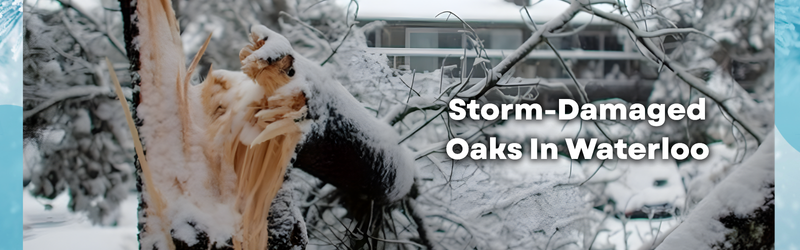
Storms can leave your yard in chaos, especially if a large oak is damaged. Broken branches, leaning trunks, or hidden splits can quickly turn into safety hazards. After a storm, it’s natural to wonder how bad the damage is, if your tree is stable, and whether waiting could make things worse. In Waterloo, winter is often the safest time for oak tree removal. With firm ground, dormant trees, and low pest activity, winter conditions help prevent small cracks from turning into big problems. At Martin’s Tree Service, we’ve seen how timely action can stop storm damage from becoming a serious threat.
Damaged oaks don’t heal themselves, and ignoring them can make things worse. A tree that looks fine on the outside might have hidden cracks or weaknesses deep inside. Choosing the right timing for removal is key, especially after hearing stories of unexpected tree failures. This blog explains why winter is ideal for oak tree removal, what signs show a tree can’t be saved, and how professional help ensures the job is done safely. Don’t wait for another storm—take action to protect your home and family.
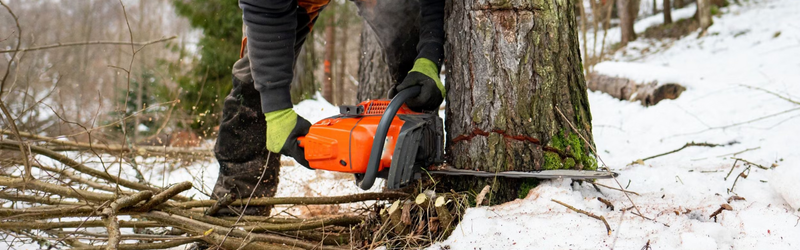
Why Winter Makes Certain Oak Removals Safer
Winter in Waterloo brings cold days, frozen ground, and strong winds. At first, you may think this makes removal harder, but the opposite is often true. Winter gives our professionals safer working conditions, clearer visibility, and a more stable environment when dealing with a storm damage tree. When an oak is cracked, leaning, or split after a storm, winter often becomes the season where oak tree removal in Waterloo is not only safer but necessary.
Reduced Movement Helps Control Risk
Dormant oaks stay still during winter. They’re not pulling water or pushing new growth, so the wood doesn’t shift under its own weight. That calm structure makes it easier for our professionals to assess cracks, fractures, and movement patterns. A storm-damaged oak that stays still is far safer to inspect and handle compared to one flexing during warmer months.
Frozen Ground Creates a Stable Work Area
Many homeowners don’t realise how much soil movement affects removals. In warm seasons, soft or muddy soil can shift under heavy equipment. Frozen winter soil stays solid, giving our team better footing and making it easier to manage large sections without sinking into the yard. This stability helps prevent ruts, damage, and uneven weight distribution during removal.
Lower Pest and Disease Activity Reduces Spread
Cold weather puts pests and fungal activity on pause. This matters when cracks or wounds are present, because storm-damaged oaks can become entry points for insects and decay. Removing a compromised oak during winter prevents unwanted spread and protects surrounding plants in your landscape.
Clear Sight Lines Make Damage Easier to Spot
With leaves gone, our professionals can see the entire structure of the oak. Hidden cracks, damaged unions, and stress points stand out clearly without foliage in the way. This better visibility is one of the biggest reasons winter becomes a smart time to evaluate if an oak is safe or if removal is needed.
When Winter Removal Is the Right Choice
Walking outside after a storm and seeing a damaged oak is stressful. You wonder how bad it is, how long it has left, and whether it’s safe to wait. These are the most common situations where winter proves to be the safest and smartest time for removal.
When the Oak Becomes an Immediate Safety Hazard
Some storm-related damage changes everything. Large broken limbs can hang overhead, and these “widowmakers” may fall without warning—especially when snow or ice adds weight. A fresh lean is another red flag. When an oak suddenly shifts toward your house, driveway, or garage, root damage may be severe.
Deep cracks in the trunk also signal large internal failure. A split trunk rarely holds together through another storm. And if the oak or its branches are close to power lines, the risk becomes even higher. Winter is an advantage here because frozen soil and reduced movement give our professionals more control as they remove unstable sections.
When More Than Half the Crown Is Lost
If a storm takes out over 50% of the crown, survival becomes unlikely. At that point, the oak loses its ability to balance weight, produce energy, and grow safely. Even if some limbs remain, the structure cannot support itself through another season.
Winter removal reduces stress because the oak is dormant. The work is cleaner, easier on the yard, and avoids spring complications.
When the Trunk Has Internal Damage
Not all storm damage is visible from the ground. Storms can twist an oak enough to create deep internal cracks that you can’t spot from outside. Spiral cracks, crushed fibres, fractures in the heartwood, and separation where large limbs meet can quietly weaken the entire structure.
These problems rarely reverse themselves. Winter removal keeps the oak from pushing against these weak points when spring growth begins.
When the Oak Leans Toward a High-Traffic Area
Any lean toward your house, a walkway, a neighbour’s yard, or a parking area raises the stakes. New leans often signal that the root plate has shifted or lifted. Frozen soil allows our professionals to manage the lean safely before another storm makes it worse.
When the Oak Has Multiple Structural Failures
Some storms cause more than one type of damage at the same time. If the trunk, major limbs, crown, or roots show signs of failure, the oak is unlikely to recover.
Winter helps because:
- Load from leaves is gone
- The ground is stable
- Moisture is frozen
- Visibility is clear
Everything works together to create a safer removal process.
How Storm Damage Affects Oak Stability
Storms put enormous pressure on oaks because of their wide canopies and strong branching patterns. The damage you see on the outside is only part of the story. Compression cracks form on the side pushed inward, while tension cracks form on the opposite side. Roots can lift slightly without you noticing, weakening the base. Large limb unions may split even if the break isn’t visible yet.
These problems build over time and make the oak more likely to fail during the next round of wind, ice, or heavy snow. Winter gives you a safer window to act before conditions get worse.
Why Waiting Until Spring Makes the Problem Worse
Many homeowners hope damaged oaks will “bounce back” in spring, but that hope often creates more risk. Here is why.
- Spring Storms Hit Harder: Once the soil thaws, roots lose some of the support frozen ground provides. Strong spring winds and heavy rains give a damaged oak less stability, increasing the chance of a fall.
- Pests Return: Open cracks attract insects and disease as soon as warm weather arrives. A storm-damaged oak becomes a weak point that affects the rest of your landscape.
- Removal Gets Harder: Soft soil makes equipment sink. New spring growth hides cracks, broken limbs, and hazards. Waiting turns a manageable winter removal into a more complex job.
Signs Your Oak Is Beyond Saving
These signs show the oak is unlikely to survive and removal becomes the safest choice:
- Major Limb Loss: Primary limbs help the oak balance weight. Losing them often means long-term instability.
- A “Y” Split in the Trunk: One of the most dangerous types of structural failure.
- Uprooted Roots: Even slight lifting means the base has failed.
- Hollow or Crushed Inner Wood: Storms push damage inward, creating unsafe cavities.
- Large Vertical Cracks: These cracks weaken the trunk and lead to sudden breaks.
If you notice any of these, oak tree removal in Waterloo is often the next safe step, especially in winter.
Why Professional Removal Matters
Storm-damaged oaks behave unpredictably. Cracks can shift, tension can release suddenly, and large sections may fall without warning. Our professionals bring the training, rigging systems, safety gear, and experience needed for high-risk removals. They understand how frozen ground changes the process and how to remove damaged oaks without harming nearby structures.
This work should never be attempted by a homeowner. With a storm damage tree, the risks are simply too high.
How Winter Protects the Rest of Your Yard
Another benefit of winter removal is how well it protects the area around your home. Frozen soil prevents deep ruts, while dormant gardens stay safe beneath the surface. Snow gives clear access paths and makes equipment movement easier. Without leaves blocking visibility, our professionals can lower sections more precisely and reduce the chance of damage.
Winter gives you a cleaner, safer outcome from start to finish.
Smart Timing Leads to a Safer Yard
When storm-damaged oaks in Waterloo become unstable or unsafe, winter often becomes the most reliable season for removal. You protect your home, reduce future storm risk, and give your yard a safe start heading into spring. If you want help deciding whether your storm damage tree can be saved or needs to come down, you can request an estimate to learn more.
Our team at Martin’s Tree Service in Waterloo Region can assess your situation and guide you through safe, professional oak tree removal in Waterloo.
Steve Martin