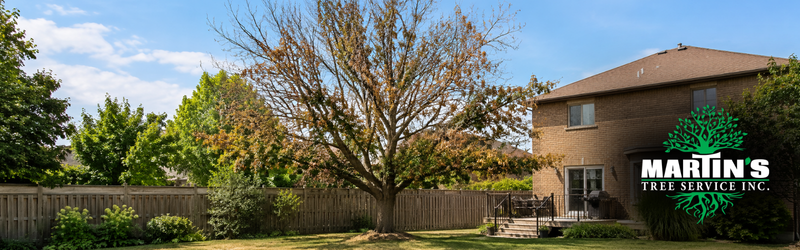
Warm summer days might have you dreaming of outdoor barbecues and sunny afternoons in your backyard, but are they really the best time to tackle tree removal? The short answer is no. While summer may seem ideal thanks to the clear skies and warm weather, removing a tree during this season can actually be far more complicated and risky. Hidden branches, heavy foliage, and hot working conditions can make the process both dangerous and difficult. If you’re considering tree removal, it’s important to think carefully about timing.
When you hire professionals like Martin’s Tree Service in Kitchener-Waterloo, you can trust their expertise to guide you through the process. Trees often show the clearest signs of distress in the fall or winter, when their leaves are gone. These colder months make it easier to assess which branches are healthy and which pose a risk to your property or safety. By planning ahead and scheduling your tree service at the right time, you’ll save yourself unnecessary stress, effort, and cost.
This post will take you through why summer isn’t the best choice for tree removal, the hidden dangers of warm-weather work, and the smarter, more efficient times to schedule tree care. Whether you’re dealing with dead branches, storm-damaged trees, or simply clearing space for your next project, you’ll find the answers you need below.
What is the best month to cut down a tree?
You will get the best results by scheduling your work between late February and early March. The late winter season provides the perfect conditions for safe, efficient clearing. The ground stays frozen solid, which protects your grass from heavy machinery tracks.
You also benefit from the complete lack of leaves on the branches. Bare branches allow arborists to see the exact structure of the wood. This clear view makes cutting much safer and faster. Our professionals can carefully dismantle the plant piece by piece without guessing where the hidden limbs are located.
You save money and avoid stress by waiting for this dormant season. Clean-up takes much less time without thousands of leaves scattering across your lawn. We highly recommend booking your property assessment during these colder months to ensure a smooth process.
Limited Visibility From Thick Canopies
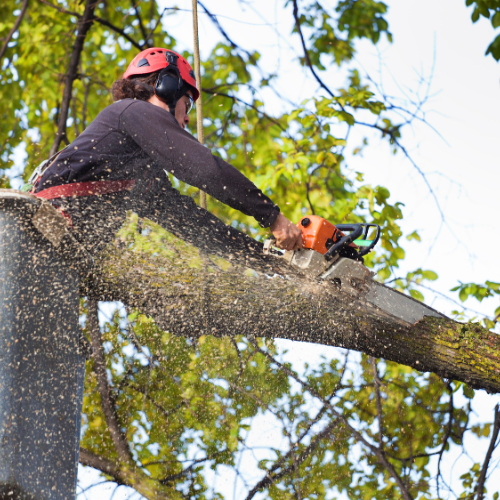
You face a major safety risk when leaves completely cover the branches. Summer foliage creates a dense visual barrier for the crew working on your property. Arborists need to see exactly where they make their cuts to control how the wood falls safely. Here are the main visibility issues you should consider during the warm season:
- Concealed Overhead Power Lines: Thick summer foliage can completely hide power lines, creating a serious safety hazard. Without a clear view, arborists cannot identify the presence of potential electrical dangers. Accidental contact with these lines can lead to severe injuries or property damage. Proper visibility ensures that power lines are avoided and the work area stays safe.
- Obstructed Sightlines for Workers: A dense canopy makes it harder for workers to see each other while operating equipment or communicating. Limited sightlines increase the risk of missteps or collisions during the job. Effective teamwork becomes challenging when crew members cannot visually monitor one another. Clear communication and reduced visual barriers are crucial for safe and efficient operations.
- Hidden Deadwood Dangers: Dead branches concealed by heavy leaves pose an unpredictable risk. They can snap without warning under the weight of a worker or equipment, leading to accidents. Identifying and removing deadwood is much harder when it blends into the thick canopy. Ensuring these hazards are addressed beforehand is critical to a smooth process.
- Missed Smaller Debris in Cleanup: Thick brush and foliage can make it harder for cleanup crews to find smaller branches or debris. Overlooked debris left behind could pose tripping hazards or damage lawn equipment later. Thorough clean-ups are more challenging when dense leaves obscure everything underneath. Keeping the area tidy ensures safety and maintains the property’s appearance.
Severe Landscape and Yard Damage
You put your beautiful garden at risk when heavy machinery rolls across soft summer soil. The warm months bring frequent rain, making your lawn soft and easily compressible. Heavy trucks will quickly sink into this muddy turf, leaving deep ruts behind. Consider these common summer landscape damages that can ruin your property:
- Tire Damage to Wet Grass: Heavy equipment tires can cause significant damage to lawns, especially when the grass is soft and wet. The weight of the machinery compresses the soil and flattens healthy blades of grass. Deep ruts can form and may take months or even years to recover without costly repairs. Large patches of damaged turf detract from the overall look of the landscape, leaving it looking uneven and unhealthy.
- Crushed Flower Beds: Falling logs or machinery can easily destroy even the most carefully maintained flower beds. Perennials that bloom during the summer season are particularly vulnerable to being smashed. The weight of the debris can break stems and damage roots, making it hard for plants to recover. This kind of harm not only ruins the garden’s appearance but also affects blooming cycles for years to come.
- Sticky Residue Left Behind: Sawdust and sap from machinery and fallen trees can leave a sticky mess on nearby garden features. This residue clings to fences, statues, or decorative stones, making them look dirty and unkempt. Over time, the sap can trap dirt and dust, creating stubborn stains that are hard to remove. Cleaning these surfaces takes effort, and without proper care, their aesthetic appeal may be permanently diminished.
- Turf Damage from Root Digging: Digging around tree roots can seriously damage healthy, green turf. The equipment used can easily tear up grass and loosen the soil, leaving behind barren patches. Exposed earth becomes a breeding ground for weeds, which compete with surrounding plants for nutrients. Repairing the lawn after such digging work takes time and requires reseeding or even full patch replacement.
Wildlife Disruptions During Nesting Season
You share your property with countless birds, squirrels, and beneficial insects during the warmer months. These animals rely heavily on tall canopies for nesting and raising their young. Cutting down their habitat during peak breeding season causes severe disruption to the local ecosystem.
You might even accidentally violate wildlife protection laws by destroying active nests. Many bird species receive strict legal protection during their summer breeding window. Professional crews must carefully inspect every branch for nests, which severely slows down the job.
You help protect your local environment by delaying the work until late fall. The animals abandon their nests by November, leaving the branches completely empty. This allows our crew to work quickly without harming any local wildlife. You will feel much better knowing you did not disrupt a family of robins or squirrels.
High Insect and Pest Activity
You invite a swarm of unwanted pests into your yard when you cut fresh wood in July. Warm weather causes insects to actively search for fresh sap and open wounds in timber. The scent of freshly cut wood acts like a magnet for beetles, ants, and termites. Keep these dangerous pest facts in mind before you book:
- Carpenter Ants at Risk: Freshly produced sawdust from summer tree cutting can be an open invitation for carpenter ants. These ants are drawn to the scent and materials left behind, quickly finding their way to nearby structures. Once they settle, they can burrow into wooden foundations, causing structural damage over time. Preventing their presence saves homes from costly repairs and preserves the integrity of the wood.
- Fungal Diseases Spread Underground: Open stump wounds provide a perfect environment for fungal diseases to thrive. Once fungal spores land on the exposed wood, they can spread through root systems beneath the soil. This underground spread can infect neighbouring trees and plants, damaging overall yard health. Healthy roots are essential to a thriving green space, and protecting stump areas reduces this risk.
- Oak Wilt Spores in the Breeze: The summer breeze carries harmful oak wilt spores that can infect freshly cut trees. These spores settle on fresh cuts or wounds, quickly spreading into the tree’s vascular system. Once inside, the disease disrupts water and nutrient flow, often leading to the tree’s decline. Quarantine fresh cuts or avoid summer cutting to lessen exposure to this harmful problem.
- Boring Beetles on the Move: Boring beetles are highly active during warm weather and swarm to freshly disturbed timber. These insects burrow into wood, laying eggs that hatch and cause long-term damage. Besides degrading wood quality, their presence can lead to infestations that spread further. Removing exposed timber or delaying cuts until colder months reduces the chance of beetle damage.
Wasted Plant Energy and Active Growth
You might not realize that plants use massive amounts of energy during July and August. They actively pull water and nutrients from the soil to grow new leaves and thicken their trunks. This active growth phase makes the wood extremely heavy and full of sap.
You pay more for labour when the wood weighs twice as much from summer moisture. Heavy, sap-filled logs require more physical effort to lift, chip, and haul away. This extra weight also increases the chance of a dropped log denting your driveway or ruining your fence.
You get a much lighter, drier specimen if you wait until winter. The sap drops down into the root system during dormancy. The wood becomes brittle, making it much easier for the chipper to process the debris. You will notice that the entire cleanup phase goes faster when the material is dry.
Navigating Kitchener-Waterloo Weather Conditions
You know that our local Ontario weather changes rapidly from humid heat waves to sudden thunderstorms. These unpredictable summer storms create hazardous working conditions for anyone operating heavy machinery.
You often see high winds and lightning force crews to stop working immediately. This unavoidable delay leaves your yard project half-finished for days at a time.
You also have to deal with the intense humidity that slows down physical labour. Our local climate regulations and building styles often put houses very close together. Carefully lowering heavy wood between tight property lines requires absolute precision, which becomes much harder in slippery, humid conditions.
Safe and Efficient Tree Removal with Martin’s Tree Service
Removing a tree can feel overwhelming, but that’s why we’re here. Martin’s Tree Service makes the process simple and worry-free for homeowners. We believe in getting the job done safely, efficiently, and with care for your property.
Our team knows how to handle any tree removal situation. With years of experience and professional training, we work carefully in tight spaces, near buildings, or around power lines. No matter the weather or the conditions, we get it done right.
When the tree is gone, we make sure your yard looks great. We clean up all the debris so you’re not left with a mess. At Martin’s Tree Service, our goal is to leave your property safe, tidy, and ready for whatever you have planned next.
Frequently Asked Questions
Do I need a permit to cut down timber on my property?
You must check your local municipal bylaws before starting any major yard clearing. Kitchener and Waterloo both have specific rules about cutting down trees. Some trees are protected, and you may need a permit depending on the size or type of tree you want to remove. It’s always best to contact your local city office to avoid fines or complications.
Can you grind stumps during the winter?
Yes, stump grinding works perfectly well during the cold season. The machine can grind through frozen ground without any trouble. Plus, with little to no vegetation in the way, the stump is easier to reach and remove. Winter is a good time to schedule stump grinding if you don’t want to wait until spring.
What happens to the wood after it gets cut down?
We process the branches through a wood chipper right on site. The wood chips can be used as mulch to protect your garden beds or control weeds. If you don’t need the mulch, we can take it to a local recycling facility for proper disposal. This ensures the waste is handled responsibly and sustainably.
Is it cheaper to clear my yard in the winter?
You can often save money by having your yard cleared in the winter. Crews have more availability during the colder months, so scheduling is easier and often less expensive. There’s also less cleanup because the trees have no leaves, which makes the work faster. Winter yard work can be a cost-effective option if you’re on a budget.
Martin’s Tree Service is There for You No Matter the Season!
Summer is a wonderful time to enjoy your yard, but it may not always be the best season for tree removal. The warmer months can put unnecessary stress on your trees and surrounding greenery, making it harder for your landscaping to recover. Choosing to wait until the dormant season not only helps protect your yard but also creates a safer environment for the wildlife you share it with. Planning your tree removal or maintenance at the right time helps keep your property healthy and vibrant for years to come.
Martin’s Tree Service understands the importance of making informed decisions when it comes to your outdoor space. Our team takes pride in offering expert advice and professional service to ensure your yard’s needs are met safely and effectively. With years of hands-on experience, we provide tailored solutions that suit your property and its unique conditions.
Whether it’s identifying hazardous trees, recommending the dormant season for removal, or completing the job with precision, our team is here to help. Keeping your property beautiful and safe is our priority. Contact us today for an estimate, and find out how we can help you create the best plan for your yard maintenance.
Steve Martin