
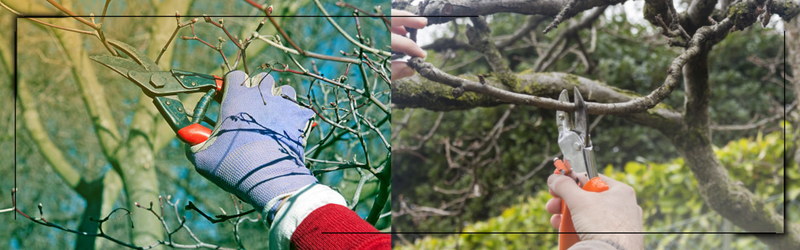
Winter is the perfect time to prune your maple trees. Once the leaves have fallen, you can clearly see the tree’s structure, making it easy to spot exactly where shaping and thinning are needed. Pruning during these colder months, when sap levels are low, helps wounds heal faster and sets your trees up for strong, healthy growth in the spring. It also improves safety by reducing the risk of storm damage from weak or overgrown limbs.
Want to ensure your maples are pruned correctly without the stress of doing it yourself? The team at Martin’s Tree Service is here to help homeowners in Kitchener-Waterloo achieve safer, stronger trees. We know exactly which limbs to remove to guide a healthy structure and enhance the long-term health and safety of your yard. Let us handle the winter work so you can enjoy beautiful, resilient maple trees for years to come.
Why Winter Is the Best Time for Maple Work
You may wonder why this season matters. Winter gives your maples a break from active growth. They use less energy and bleed less sap, which means cuts stay cleaner and lose less moisture. Sap flow is high in early spring, so winter helps avoid the heavy “bleeding” maples are known for.
You also get clearer visibility. Without leaves, you can spot dead limbs, split sections, rubbing growth, and places where wind has caused strain. This makes winter tree trimming in Waterloo more accurate and much safer.
And you avoid insect problems. Many pests are inactive now, so fresh cuts are less attractive to insects that carry diseases.
Winter is quiet, clean, and more predictable. Perfect for shaping and removal.
What to Cut First: The “Three D’s”
You start with the biggest concerns. These issues weaken your maples, reduce safety, and grow worse over time. Winter maple pruning focuses heavily on the “Three D’s”: dead, diseased, and damaged growth.
Dead Sections
Dead limbs often break in storms. They turn brittle, lose colour, and show no buds. In winter, they stand out more because they look pale, dusty, or hollow. Removing them stops the risk of sudden breaks near your home, driveway, or walkway.
Diseased Growth
Any limb with fungal growth, discolouration, decay, or unusual swelling needs attention. Winter tree trimming helps slow the spread because disease organisms are less active in cold weather. You stop problems before spring growth gives the disease new energy.
Damaged Limbs
Storms cause cracks and splits that cannot heal on their own. These weak points become entry spots for rot. Winter makes these flaws more visible, and removing them stops greater decline.
Removing the Three D’s gives your maple a clean, strong foundation for spring.
Crossing and Rubbing Branches: Hidden Problems That Get Worse
You may not notice these issues during summer because leaves hide them. In winter, you can see exactly where branches cross or scrape against each other. Over time, this rubbing wears away bark and exposes the inside of the limb.
Here’s why crossing and rubbing limbs need removal during winter maple pruning:
- Rubbing Wounds Invite Decay: When two limbs scrape each other, they break through protective layers. This creates entry points for rot once temperatures rise.
- Crossing Limbs Block Airflow and Sunlight: A crowded canopy struggles to dry after rain, which leads to weakened growth in warmer months.
- Winter Storms Put Pressure on Rubbing Limbs: Ice buildup pushes them together, speeding up damage. Winter tree trimming in Waterloo stops this cycle before it causes serious failure.
You protect the shape of your maple and prevent long-term damage when these limbs are thinned in winter.
Suckers and Water Sprouts Steal Energy
You may have seen fast-growing shoots coming up from the base or straight up along the trunk. These take away energy from your maple’s main structure. Winter is an ideal time to remove them because the plant is dormant and easier to assess.
Suckers grow from the base.
Water sprouts grow straight upward from limbs.
Both create problems:
- They pull energy away from strong growth.
- They weaken the overall form.
- They create clutter that makes spring growth less healthy.
Removing them during winter maple pruning helps your maple send strength to the areas that matter most.
Shaping and Thinning for Better Structure
Once the main problems are removed, the next step is shaping. Winter gives professionals a clear view of branch spacing, weight distribution, and weak angles that need attention. Winter tree trimming helps guide each maple into a balanced, stable form that can handle strong winds, snow, and yearly growth.
Shaping focuses on:
- Improving Airflow: Good spacing helps sunlight reach inner areas and reduces moisture that may cause rot. When air can move freely, the canopy stays healthier and dries faster after rain or snow. This makes your maple less likely to develop fungus or other long-term issues.
- Strengthening Structure: Removing weak forks or narrow angles lowers the risk of breakage in storms. These problem spots often split under heavy snow or strong winds, so trimming them early prevents damage. A stronger structure also supports safer, more even growth in every season.
- Encouraging Strong Scaffolding: These main supporting limbs carry most of the weight, so keeping them healthy is key. Winter pruning protects their strength and prevents them from becoming overcrowded by small, competing branches. With a solid scaffolding system, your maple grows in a cleaner, safer pattern.
This process sets your maple up for long-term strength and beauty. Winter shaping gives the canopy a fresh start before spring growth begins, helping your yard look fuller and stay safer all year long.

Why Maple Bleeding Matters And Why Winter Avoids It
You may have heard that maples “bleed” sap when cut. This isn’t dangerous, but it can stress the plant if done during the wrong time of year. Heavy bleeding happens in late winter and early spring as the sap begins rising.
Winter maple pruning in Kitchener avoids this peak sap movement. Cuts made now lose less sap and close faster when warm weather returns.
This helps protect your maple’s health and reduces stress on the whole plant.
Crowded or Low-Growth That Needs Removal
Not all issues are obvious. Some problems develop slowly over time and affect the safety and comfort of your yard. Winter tree trimming in Waterloo helps manage areas where branches grow too low, too thick, or too close together. When the leaves are gone, it becomes much easier to spot trouble before it causes damage.
Here are common situations that need attention:
- Low Limbs Blocking Walkways or Driveways: These become hazards when covered in ice or snow, especially when you walk or drive under them. A heavy winter storm can make these limbs bend even lower, creating unsafe conditions. Clearing them now keeps paths open and makes your property safer for everyone.
- Crowded Inner Sections: Too much interior growth blocks sunlight and traps moisture, which can weaken the limbs over time. Poor airflow makes it easier for fungi and pests to spread. Trimming crowded areas helps the canopy stay healthy and balanced as the tree grows.
- Heavy Limbs Hanging Over Roofs or Sheds: Ice buildup can add weight and cause sudden drops, especially during freezing rain. A falling branch can damage shingles, dent siding, or break structures below. Managing these limbs in winter reduces the chance of unexpected damage during storms.
Winter creates a safe environment for fixing these problems because limbs are easier to see and access. Without leaves blocking the view, professionals can make precise cuts that protect your property and support long-term health.
How Winter Pruning Reduces Storm Risks
You know how winter storms in Kitchener–Waterloo can bring wind, ice, and heavy snow. Weak or damaged limbs often break during these events. Winter maple pruning in Kitchener removes these hazards before storms hit their peak.
Proper winter work helps prevent:
- Ice-related breakage
- Sudden limb drops
- Roof or gutter damage
- Power line interference
- Injury from falling limbs
When our professionals thin crowded or weak areas, your maples become more stable and secure.
Why Professionals Should Handle Winter Maple Pruning
Winter pruning looks simple because everything is bare, but it requires skill. Cutting too much or cutting in the wrong place affects growth for years. That’s why winter tree trimming is a job for trained professionals like our team at Martin’s Tree Service.
We look at structure, health, spacing, and long-term development. We never remove more than healthy limits allow, and we know how to protect your maple through the entire process.
Homeowners want safe yards and healthy maples, and professional winter pruning is the best way to get both.
Your Yard Benefits All Year From Winter Maple Care
What you do in winter shapes how your yard looks for the rest of the year. When weak or crowded growth is removed during the colder months, your maples have the space and strength they need to grow fuller, healthier leaves in spring. A balanced canopy also improves summer shade, making your yard cooler and more comfortable. By fall, your maple shows better colour because light and air reach more of the branches.
Winter pruning also lowers storm risks throughout the year. When damaged or heavy limbs are removed early, you reduce the chance of breakage during wind, ice, or heavy snow. Winter maple pruning in Kitchener becomes one of the most helpful steps you can take to protect your yard and support long-term health.
Keep Your Maples Strong This Winter
When you want safe, beautiful maples and proper winter tree trimming in Waterloo, the right work at the right time makes a big difference. Winter is the perfect season to remove dead or damaged growth, thin crowded areas, shape structure, and get your yard ready for spring.
Request an estimate to learn more about winter maple pruning in Kitchener. Our team at Martin’s Tree Service in Waterloo Region is here to help you keep your yard safe, healthy, and ready for the seasons ahead.
Steve Martin