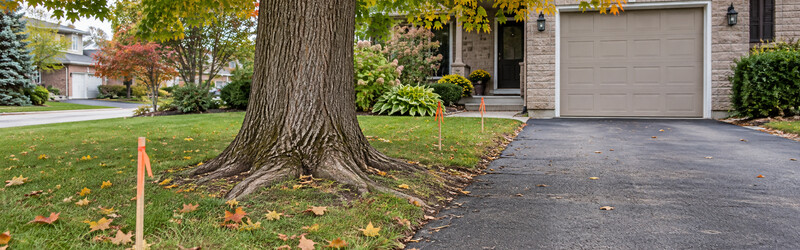
You may see open space beside your driveway and think widening it will be a simple project. However, excavation can cut roots, heavy equipment can compact soil, and new pavement can change how water reaches the ground. The damage may remain hidden for several years because the tree can keep growing while using stored energy.
You also need to think beyond the final edge of the pavement. Construction vehicles, gravel piles, changes in grade, and blocked rainfall can harm roots without leaving an obvious mark. Early fall colour, weak growth, thinning leaves, and dead branches may not appear until long after the work ends.
At Martin’s Tree Service in Kitchener-Waterloo, we can assess the site before the driveway design is finalized. You should not expose, cut, or move roots yourself because their size and position do not always show how important they are. In this blog, we explain how driveway widening can cause hidden root damage, why the warning signs may take years to appear, and what must be assessed before construction begins.
How Close Can a Driveway Be to a Tree Without Damaging the Roots?
There is no single safe distance that works for every property. The space required depends on the trunk’s size, the spread of the roots, the species, current health, soil conditions, and municipal rules. A professional assessment is needed to identify the likely protection area.
Roots do not stop at the edge of the visible canopy. Many of the fine roots that collect water and nutrients may extend much farther. This means construction can affect the root system even when the pavement does not touch the trunk.
Kitchener uses trunk diameter to set minimum protection distances for City-owned trees. Work within 6.09 metres of a municipal tree requires approval and protection measures. The planned excavation line, equipment route, and storage areas must all be considered before construction starts. Check this out for more on the city of Kitchener tree bylaws and working around trees.
Excavation Can Remove Roots the Canopy Still Needs
Driveway widening usually requires soil to be removed before gravel and pavement are added. This work can cross an active root area before anyone sees a warning above ground. The long-term effect depends on which roots are damaged and how much of the system is lost.
- Shallow Feeder Roots: Many fine roots grow in the upper part of the soil. They collect much of the water, oxygen, and nutrients that support the canopy. Even shallow excavation can remove a large number of them. The plant may then struggle during hot or dry weather.
- Large Structural Roots: Thicker roots help anchor the trunk and resist wind. Cutting one near the base can reduce support as well as interrupt the movement of water. A large root should never be treated as a simple construction obstacle. Its importance must be assessed before work continues.
- Damage on One Side: Widening often affects only the side facing the existing driveway. Root loss in that area may later be followed by weak growth or branch decline on the same side. It may also reduce support in the direction where soil was removed. The risk can become more serious during strong wind or heavy rain.
Roots should not be exposed, cut, or redirected without professional direction. A construction plan should protect the essential root area before excavation begins.
Soil Compaction Can Cause Damage Without Cutting Roots
Roots need small spaces in the soil for air and water. Construction pressure can close these spaces without leaving a clear mark on the surface. The effects may continue long after the machines and building materials are gone.
- Heavy Equipment Traffic: Excavators, trucks, and other machines place great pressure on the ground. Repeated travel can compress soil across a wide section of the yard. Roots may remain uncut but slowly lose access to oxygen and moisture. Regular traffic can also harm areas outside the final driveway footprint.
- Stored Construction Materials: Gravel, soil, lumber, concrete products, and waste can place heavy loads on the ground. A pile that stays for only part of the project may still compress the soil below it. Storage locations must be included in the protection plan. Moving the pile later does not reverse the pressure already applied.
- The New Driveway Surface: The base and finished pavement create a lasting load over the soil. A hard surface may also reduce the amount of rain and air reaching the ground. Remaining roots can become stressed even when no major cuts are visible. Changes may not appear in the canopy during the first season.
The work zone includes equipment routes and storage spaces, not just the area that will be paved. A professional must consider the full construction footprint when reviewing the plan.
Grade and Drainage Changes Can Alter the Root Zone
A wider driveway changes more than the amount of paved space. It can affect the height of the soil and the direction rainwater travels across the property. Both dry and waterlogged soil can place the root system under stress.
- Water Redirected Away: New pavement prevents rain from soaking into ground that was previously open. Slopes, curbs, and drains may carry water away from the root area. This can create drier conditions below the canopy. The impact may become clear during a later drought or hot summer.
- Water Trapped Near the Base: Poor grading can send runoff toward the trunk or hold water in the soil. Ground that remains wet for long periods may contain less oxygen. Roots can weaken or die when they cannot breathe. The first visible symptoms may not appear until another growing season.
- Soil Added or Removed: Raising the grade can bury shallow roots beneath extra material. Lowering it may remove feeder roots and expose larger structural ones. Even a modest change can affect a broad section of the root system. The original soil level must be considered during design.
Drainage and grading should be reviewed with the excavation plan. The goal is to avoid creating new wet or dry zones that place added stress on the property.
Why the Warning Signs May Take Years to Appear
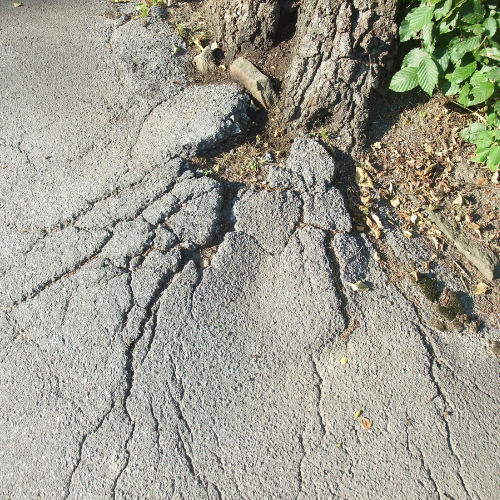
A mature tree may keep producing leaves after part of its root system has been damaged. It can rely on stored energy while the remaining roots support basic growth. This can make the first season after construction look normal.
The decline may become clearer over time. You might later notice early fall colour, smaller leaves, thin canopy growth, dead branches, or limited new growth. These signs may appear on only one side when the original damage was limited to one part of the root area.
Drought, extreme heat, insects, disease, or a major storm can expose an older weakness. A specimen that seemed healthy may no longer have enough roots to handle added stress. The City of Kitchener warns that construction damage can take years to become visible, which is why protection before excavation is so important.
Root Protection Zones Must Be Planned Before Work Starts
A root protection zone is an area around the trunk where soil and roots must remain protected. Its size is not based only on the edge of the branches. Trunk diameter, ownership, site conditions, and municipal standards can all affect the required distance.
Kitchener calculates minimum protection areas for municipal trees using the trunk’s diameter. For specimens in parks and open spaces, the required zone may be based on the greater of the City setback or the dripline. Equipment movement, excavation, material storage, grade changes, and contaminant disposal may be restricted inside this space.
Required barriers and controls must be established by the appropriate professionals before work begins. Private-property rules can also vary based on the property and project. Kitchener’s private conservation bylaw applies in certain cases, including qualifying properties larger than one acre, so ownership and municipal requirements should be confirmed during planning.
Kitchener Driveway Plans May Require Municipal Approval
A City permit is required when widening affects the driveway apron or boulevard beyond the property line or requires a curb cut. The application must show the current and proposed width. It must also include distances to municipal trees, utility equipment, and other nearby features.
The City recommends applying at least 15 business days before the planned start. Staff review the proposal for zoning, curb, utility, and protection concerns. A widening project may not be approved if it would affect a City-owned tree, its protected area, or land needed for future planting.
Extra approvals may apply when the property is beside a regional road or within an area overseen by another authority. Current requirements should always be confirmed with the City. Martin’s Tree Service can assess plant health and construction risks, but municipal staff make decisions about permits and bylaw compliance.
What a Professional Assessment Should Examine
Our team begins by examining the trunk, canopy, visible roots, soil, slope, and drainage. We look for signs of poor health, past damage, decay, weak branch growth, and limited rooting space. These details help us judge how construction pressure could affect the property.
We also compare the proposed pavement edge with the likely root area. Equipment routes, excavation depth, grade changes, and material storage locations are part of that review. A narrow strip of new pavement can create a much larger work zone once machines and supplies arrive.
The findings can help you, the designer, and the contractor make informed decisions before excavation starts. The plan may need changes to its placement, width, construction access, or protection measures. You should not expose or cut roots to investigate them because Martin’s Tree Service can complete the assessment without asking you to perform risky work.
Frequently Asked Questions
Can root damage really take years to become visible?
Yes. A mature tree may keep growing while it uses stored energy and relies on the roots that remain. Warning signs may not become clear until several growing seasons have passed. Heat, drought, disease, or a storm may make the decline more noticeable.
Do roots stay inside the dripline?
No. Many roots can grow beyond the outer edge of the canopy. Their spread depends on the species, soil, moisture, available space, and nearby structures. The dripline should not be treated as an exact underground boundary.
Can paving cause harm without cutting any roots?
Yes. Compacted soil can block the air and water that roots need. Pavement may also redirect rainfall or add lasting pressure over the root area. Damage can develop even when no cut roots are visible during construction.
Is a permit required to widen a driveway in Kitchener?
A permit is required when the project widens the driveway apron or boulevard beyond the property line or involves a curb cut. Other approvals may apply based on the road, property, utilities, and protected vegetation. Homeowners should confirm the current requirements with the City before arranging construction.
Should damaged roots be cut before work continues?
No decision should be made without a professional assessment. The root’s size, position, condition, and role in supporting the trunk must all be considered. Cutting the wrong root may affect health or stability. Our team can assess the concern and explain what should happen next.
Protect the Root Zone Before the Pavement Goes Down
Driveway widening can cause hidden damage through excavation, soil compaction, grade changes, and altered drainage. The canopy may remain green while the root system becomes less able to collect water, absorb nutrients, or support the trunk. Clear warning signs might not appear until years after the pavement is installed.
You can reduce uncertainty by having the property assessed before the design and construction schedule are finalized. The protection area, equipment routes, material storage locations, drainage, and municipal requirements must all be considered early. Waiting for thinning leaves or dead branches may mean the original damage is already well established.
At Martin’s Tree Service in Kitchener-Waterloo, we can assess current health, review the proposed work area, and identify concerns for you and your contractor. You do not need to expose roots or make health and safety decisions yourself. Schedule a professional assessment before construction begins, and request an estimate to learn more about protecting valuable trees while improving your property.
Steve Martin